Car interiors age in small, relentless ways. Sunscreen rubs into perforated leather, denim dye creeps onto bolsters, kids grind snack dust into seams, and a thousand micro-abrasions dull the sheen of plastics and piano black trim. An interior coating is not a magic shield, but it gives you a working margin. With the right care routine, coated surfaces resist staining, clean more easily, and hold a fresh look longer. The difference is obvious to anyone who has scrubbed a steering wheel for twenty minutes without getting it truly clean.
This guide draws from real detailing bays, not just product brochures. It covers what interior coatings actually do, how they fail, and the habits that preserve their performance. Along the way, it pulls in parallel lessons from auto detailing and car detailing disciplines like paint correction and wheel coating, since surface science plays by similar rules across the vehicle.
What interior coatings really protect against
Interior coatings vary, but most fall into two families. Hydrophobic sealants that add slickness and water repellency, and semi-permanent ceramic coating formulas that crosslink on the surface, adding abrasion resistance and chemical resilience. Leather, vinyl, and modern soft-touch plastics each interact with coatings a bit differently.
The most immediate benefit is stain resistance. Coffee, soda, and oily skin films do not bond as aggressively, so they wipe away with less agitation. On fabric, a textile-specific interior coating helps liquids bead and sit on the surface long enough for blotting instead of wicking into the weave. On leather and synthetic leather, a quality coating slows dye transfer from jeans, a chronic problem on light interiors. You still need to clean, but the window for an easy save is wider.
Coatings also reduce gloss creep. Many steering wheels and shifters develop an unnatural shine after a year or two. That shine is compressed grime. A coated surface resists that buildup. You still see wear patterns in high-contact zones, but the leather stays closer to its original finish, especially with gentle weekly wipe-downs.
One caveat: no interior coating can compensate for neglected maintenance. If sunscreen bakes into beige leather under summer sun for weeks, you will fight a losing battle. Coatings buy you time and margin, not permission to forget about cleaning.
The maintenance mindset
If you performed paint correction before applying a ceramic coating to a vehicle’s exterior, you already understand the logic. A clean, decontaminated, properly prepped surface maximizes bond strength. After the coating cures, your job is to avoid harsh cleaners and unnecessary friction that can erode the layer. Interiors work the same way, just with different contaminants and touch points.
A realistic program divides into quick touch routines and periodic deep maintenance. Quick touches keep the coating from getting overwhelmed. Periodic maintenance handles residue that slips past your dailies, like body oils in leather pores or sugar films in cup holders. The cadence depends on use. A commute-only sedan with one careful driver lives differently than a family SUV hauling sports gear, or a work van with constant entry and exit.
Weekly rhythms that make coatings last
Think in short, repeatable moves. Five to ten minutes is enough if you do it consistently.
- Use a soft, clean, low-pile microfiber for dusting. Fold it twice to get eight clean faces and rotate as you work. One pass to lift dust, a second light pass to catch what floats. Dust acts like sandpaper if you grind it around with pressure. Lightly mist a neutral, coating-safe interior cleaner onto the towel, not the panel. Avoid over-wetting. On coated surfaces, you want a film-free result with minimal agitation. If the towel drags, switch to a fresh section. Wipe high-touch areas first: steering wheel, shift knob, touchscreen bezel, start button, door pulls, seat bolsters where thighs slide in, and the center armrest. If time runs out, you at least protected the zones that see wear. Blot fresh spills on fabric immediately with an absorbent towel, then follow with a small amount of textile-safe cleaner. Dab, do not scrub. Coatings slow absorption, but pressure can still push liquids into fibers. Ventilate after cleaning. Crack doors or windows for five minutes. Evaporation prevents moisture from settling in seams and stitching.
That short list is the backbone. It keeps contaminants from stacking up into something that requires muscle and harsher chemistry.
Monthly deep cleaning without stripping your coating
A monthly session, thirty to forty minutes, clears what weekly wipes do not catch. This is where technique matters most. The goal is to remove residue while leaving the interior coating intact.
On coated leather or vinyl, use a dedicated leather cleaner with a neutral to slightly acidic pH that is confirmed as coating safe. Apply to a brush with soft, tapered bristles. Circular motions with light pressure lift grime at the top of the grain. Wipe immediately with a damp microfiber, then a dry microfiber. If the towel still shows discoloration after two panels, you needed this.
On piano black plastics and gloss trim, use a plush microfiber and the gentlest cleaner. Even a coating cannot stop micro-marring if you chase streaks with a dirty towel. If you see slight haze, switch to a fresh towel rather than rubbing harder.
Textile seats and carpets benefit from a low-moisture approach. A small, battery sprayer with a fine mist is ideal. After misting a textile-safe cleaner, agitate with a soft upholstery brush. Blot, then finish with a wet-dry vacuum pass to extract remaining moisture. Coatings help the fabric release soil, so you often need less chemical than before the coating.
Touchscreens need special care. Even if they are coated, never use ammonia or alcohol-heavy glass cleaners. A screen-safe cleaner or just distilled water on a microfiber works. For stubborn fingerprints, breathe a light fog on the screen, wipe with a clean side of the towel, then follow with the cleaner.
When interiors live hard
Fleet vehicles, rideshare cars, and family haulers occupy the tough end of the spectrum. We see coatings last half as long in those cabins unless the owner adopts a disciplined routine. A rideshare car with late-night food deliveries will meet acidic soda, oily sauces, and errant milkshakes. No interior coating shrugs that off without help.
In these cases, step up frequency rather than chemical strength. Twice-weekly wipe downs keep sugars from hardening. Keep a small caddy in the trunk with two types of towels marked by edge color, one for glass and screens, one for everything else. A compact sprayer avoids the splatter and overuse that come from trigger bottles.
If you run mobile detailing as a side business, you already know the routine. The same principles that make mobile detailing efficient, controlled product use and clean textile management, keep interior coatings pristine over time.
Do you need to reapply, and when?
Interior coatings rarely fail all at once. You notice change in three ways: liquids spread rather than bead, oils cling longer after a wipe, and high-wear areas show more sheen. For daily drivers, durable leather and vinyl coatings typically maintain their peak behavior for 6 to 12 months. Fabric protectants often show diminished water repellency by 3 to 6 months on seat bottoms and floors, a little longer on seatbacks and headliners due to lighter contact.
Rather than a calendar replacement, test function. Drip a teaspoon of water on a seat bolster where you slide in. If it beads and holds a dome for at least 10 seconds, your coating is still doing primary duty. If it flattens quickly or begins to darken the surface, plan a reapplication after a thorough cleaning. Touch-ups on high-wear zones often extend the overall service life without a full recoat.
If your interior is part of a larger protection plan that includes an exterior ceramic coating, wheel coating, and periodic paint correction maintenance, synchronize services. Align interior refreshes with exterior decontamination or headlight restoration visits, so everything returns to baseline together.
Products to avoid on coated interiors
A few categories accelerate wear or leave films that compromise the coating.
Silicone-heavy dressings create shine and slip but attract dust and complicate future cleaning. On leather, they can mask dryness while starving the hide. High-alkaline all-purpose cleaners are effective degreasers, but they can weaken a coating’s network and leach plasticizers from vinyl and soft-touch plastics. Magic-eraser type melamine sponges abrade coatings rapidly. They are effective and destructive in equal measure.
Fragrance bombs, oil-based air fresheners that hang on vents or clip to trim, drip and etch. If you like a scent in your cabin, use a water-based spray directed into carpets or a dedicated in-cabin cartridge designed not to outgas onto surfaces.
The edge cases detailers talk about
Some interiors confound expectations. Matte-finish leather, common in high-end European cars, can be sensitive to oils and to abrasion. A coating helps, but the finish is fragile by design. In those cars, the first two months after coating are crucial. Gentle wipes, no jeans with metal rivets, and be careful with seatbelt return speed to avoid scuffs.
Perforated leather adds a risk with over-wetting. High-surface-tension beads can pool around perforations and, with too much pressure, push into the foam below. Mist the towel, not the seat, and hold suction a beat longer with your extractor when you do periodic deeper maintenance on seat bottoms.
Alcantara or microsuede presents its own puzzle. It can be protected, but the product and technique differ. A misapplied protectant can stiffen the nap. On these materials, many pros choose periodic steam and gentle re-fluff over heavy coatings, or they use a dedicated fabric protector applied at a distance with a fine atomization. Always test in a hidden spot.
How external factors affect interiors
A good ceramic coating on exterior paint changes the rhythm of washing. It reduces wash time and the need for aggressive scrubbing. That, indirectly, helps your interior because you stay on top of overall vehicle care. Wheel coating keeps brake dust from building up, which means less contamination gets tracked in during wash and wheel cleaning sessions. Headlight restoration and marine detailing seem far removed from cabin care, yet the lesson carries over. UV management, controlled chemical exposure, and thoughtful touch techniques win, no matter the substrate.
If your vehicle lives outdoors, UV exposure dries leather faster. Even with a coating, you may see micro-cracking along seams and at the top of seatbacks sooner than an indoor-garaged vehicle. Sun shades and periodic conditioning, only after cleaning and only with a conditioner approved for coated leather, extend life. Use sparingly. Over-conditioning gums up micropores and makes future cleaning harder.
Training your towels and tools
Most coating failures start with bad textile management. If a towel has seen an oily dashboard dressing once, it is contaminated. That oil migrates. Keep glass towels away from interior trim. Reserve a set of interior towels with a unique color or stitching pattern. Launder separately, warm water, free-rinsing detergent with no fabric softener, and an extra rinse cycle. residential coating Low heat dry. Inspect as you fold. If a fiber snags on a fingernail, retire it to door jamb duty.
Brushes matter too. Natural horsehair brushes are gentle on coated leather but can shed. A quality synthetic brush with tapered bristles tends to last longer and handles moisture better. Avoid stiff nylon that is sold for carpets unless you are working on floor mats removed from the car.
Hand sprayers beat aerosol for control. Adjustable nozzles let you dial in a fine mist that falls on the towel, not on buttons and switches. Over-spray puts cleaner where you do not want it, especially in seams where electrical components live.
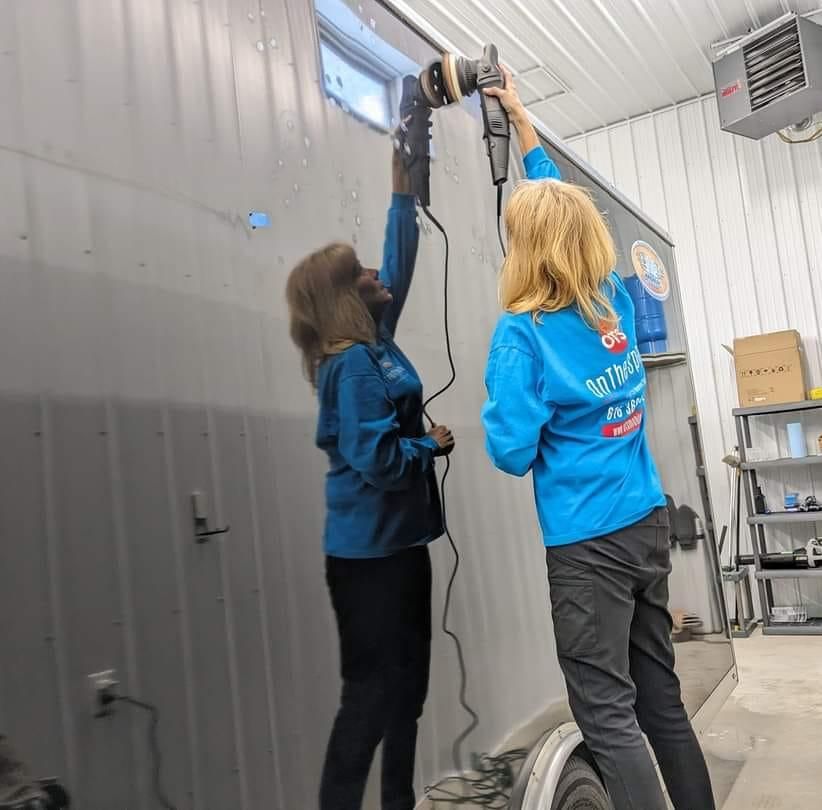
A case study from On the Spot Mobile Detailers
At On the Spot Mobile Detailers, we maintain a handful of executive sedans that cycle between airport runs and daily commuting. Two are the same model, nearly identical mileage and year. Both received interior coating, but one driver wore dark denim almost exclusively and habitually rested his phone face down on the passenger seat. After four months, the denim transfer pattern was obvious on that car’s light leather bolsters. The other car showed minimal transfer.
The maintenance adjustment was simple. We added a weekly, not biweekly, gentle leather clean on the entry side bolster and placed a felt coaster the size of a phone on the seat. That slowed transfer dramatically. The lesson was not to blame the coating, but to address a specific friction and dye source. Small habits multiply the value of the protection layer.
Where amateurs go wrong, and how to correct it
The two most common mistakes are over-cleaning and under-cleaning. Over-cleaning shows up as dull spots on soft-touch plastics and shiny patches on steering wheels where mild abrasion gradually removed the coating. Under-cleaning shows up as stubborn oils that need aggressive scrubbing to remove, which then accelerates wear.
If you have over-cleaned, pause harsh chemistry and switch to a mild, coating-safe cleaner and softer tools. Introduce a light protectant designed to refresh the hydrophobic character without adding heavy gloss. Work in small sections, and adopt the weekly rhythm to avoid backsliding.
If you have under-cleaned, you will need a careful reset. Pre-vacuum to remove grit. Apply controlled amounts of cleaner and use a soft brush to lift rather than grind. Use more towels than you think you need. This is where professional car detailing experience pays off. Seasoned techs change towels constantly so they never push soil around.
Integrating interior care with broader detailing plans
Auto detailing at a high level is about system thinking. Exterior ceramic coating reduces wash time, so you have bandwidth to do an interior wipe instead of skipping it. Paint correction knowledge teaches controlled pressure and smart lighting. Those same LED inspection lights reveal body oil halos on leather that ambient light hides.
If you manage residential coating projects on home surfaces, countertops for example, the cross-training is useful. You learn to respect pH, dwell time, and tool choice. The cabin benefits from that discipline.

RV detailing is another unexpected teacher. Large cabins with mixed materials, vinyl walls, fabric valances, leather seats, and textured plastics, force you to segment surfaces and choose chemistry precisely. The patience that comes from RV work translates directly to maintaining interior coatings in passenger cars without shortcuts.
The finish line that never arrives
If you are waiting for a moment when maintenance is “done,” you will be frustrated. Interior coating is a living layer. It helps most when you help it back. A short wipe saves an hour of scrubbing. A dedicated towel bin saves a dashboard from hazing. The reward is cumulative: surfaces that feel clean, smell neutral, and age gracefully.
The first time you clean a coated steering wheel after a week of summer use and see almost nothing transfer to the towel, you will understand why professionals insist on protection. The first time you blot a coffee spill on coated fabric and it stays on the towel instead of ghosting back after it dries, you will commit to the routine.
Practical checkpoints for owners and pros
A few quick diagnostics keep you honest.
- Water behavior test on leather or vinyl bolsters tells you if hydrophobics are still working. Towel drag on gloss trim signals residue, either from cleaner overuse or from skin oils. A clean, slick pass should feel nearly frictionless. Smell test after a closed afternoon in sun. A neutral cabin indicates no microbial growth, a sweet or sour edge suggests residue trapped in fibers or foam. Glove test on steering wheel, thin nitrile glove wiped gently. If the glove picks up dark residue after a routine wipe, schedule a deeper clean soon. Seat belt webbing inspection near the latch. Oils migrate here and tell you more about cleaning effectiveness than the more obvious anchor point.
These checks are fast, and they guide maintenance frequency and product choices.
Training clients and drivers
When On the Spot Mobile Detailers finishes a coating service, we hand over two towels and a small bottle of coating-safe cleaner with simple guidance. Clean only with these until they run out, then ask us for the product name to restock. Do not use household wipes, which often contain quats and fragrances that leave films. Do not spray directly on surfaces. Tell family and co-drivers the same. A two-sentence training talk saves the coating from well-meaning but damaging habits.
In fleet settings, a laminated card in the glove box with three lines, weekly wipe, monthly deep, avoid silicone dressings, gets more compliance than a long sheet nobody reads. The goal is repeatable behavior, not encyclopedic knowledge.
When to call in a professional
If you have sticky residues that resist safe cleaners, dye transfer set into creases, or unknown prior dressings that keep smearing, a seasoned pro can reset the cabin without guessing. Professionals with experience in marine detailing, where salt, sunscreen, and UV assault every surface, learn to solve chemistry puzzles quickly. That same judgment helps unravel interior mysteries, from a mystery gloss on a dashboard to a recurring fog on glass that traces back to a previous product.
A pro also has the tools to repair minor coating damage, like spot reapplication on a high-wear bolster, without overbuilding layers. Too many layers can alter the feel of leather or seal in contaminants if prep is rushed.
A closing example from the field
We serviced a crossover owned by a contractor who split time between job sites and client meetings. The interior coating had performed well for eight months, but the driver’s seat showed heavy wear from dust and grit grinding in after long days. We adjusted the routine: added a short, 90-second pre-entry ritual of wiping pants with a shop towel and tapping boots together before stepping in. It sounds trivial. It cut grit load by half. With that change, the coating held a like-new look at the 12-month mark where similar use cases typically faded by nine.
That is the pattern across the board. Small, consistent behaviors do more for interior coatings than any miracle product. Respect the layer, help it do its job, and it will give you a cabin that looks and feels fresh far beyond the usual timeline.